

The Most Expensive Mistake NH Landlords Make — And Why It Always Catches Up With Them
There's a pattern in New Hampshire real estate that most landlords won't admit to and most tenants know all too well.
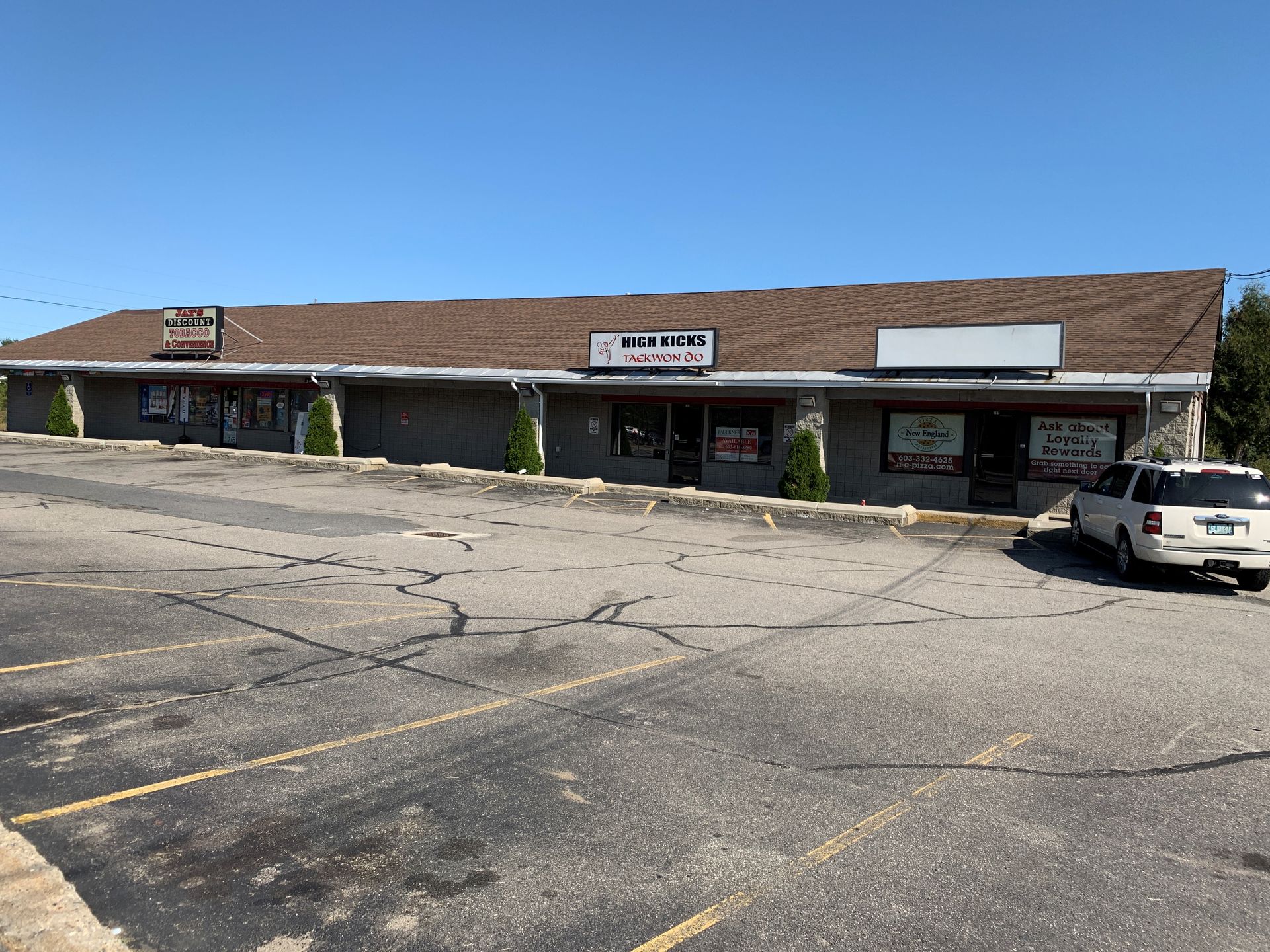
A property gets purchased. Rents get collected. And then — nothing. No reinvestment. No upgrades. No capital set aside for the roof that's ten years past its life, the heating system running on borrowed time, or the parking lot that looks like it survived a war. Just cash out, every month, until something breaks badly enough that it can't be ignored.
It's one of the most common ownership strategies in the state. It's also one of the most expensive mistakes a landlord can make.
Why Landlords Stop Reinvesting
It usually isn't laziness. Most landlords who fall into this pattern got there gradually.
The early years of ownership are expensive. There's a mortgage to service, maintenance to handle, vacancies to absorb. Reinvesting feels natural when the property needs work to attract tenants.
Then the property stabilizes. Cash flow improves. And the mental math shifts — every dollar reinvested is a dollar not in your pocket. The roof has a few years left. The units are rented. Why spend money you don't have to?
The problem is that deferred maintenance doesn't disappear. It compounds.
What Deferred Maintenance Actually Costs
A roof replacement ignored at the right time becomes a roof replacement plus interior water damage plus mold remediation. A heating system that should have been serviced annually becomes an emergency replacement in February — at emergency contractor rates, with tenants threatening to withhold rent.
In New Hampshire, where winters are brutal and building systems work hard, deferred maintenance accelerates faster than most landlords expect.
Beyond the physical costs, there's the tenant cost. Quality tenants — the ones who pay on time, stay long term, and treat the property with respect — have options. They choose buildings that are maintained. When you stop reinvesting, you don't just lose building value. You lose your best tenants first, and you fill their units with whoever will take what you're offering.
That cycle is very hard to reverse.
The Reinvestment Rule We Use on Our Own Portfolio
Natural Element manages properties we own. That means we don't just advise on reinvestment — we practice it on our own assets.
The rule we follow is simple: a percentage of gross rental income goes back into the property every year, whether it needs it or not. Not as an emergency fund. As an operating standard.
This does three things:
It keeps the building competitive. NH renters have more options than they did five years ago. A well-maintained property commands better rents and attracts better tenants — the math works.
It prevents catastrophic costs. Planned capital expenditure is almost always cheaper than reactive repairs. A $4,000 roof inspection and repair today versus a $40,000 replacement in three years because water got into the structure.
It protects your exit. When it comes time to sell, refinance, or bring in a capital partner, the condition of your asset tells the entire story of how you operated it. Buyers and lenders are not fooled by fresh paint over deferred problems.
What This Looks Like in Practice
For a typical NH residential rental, reinvestment priorities should be reviewed annually:
- HVAC systems — service contracts and planned replacement cycles
- Roofing — annual inspection, address minor issues before they become major ones
- Exterior — siding, windows, and drainage directly affect heating costs and structural integrity in NH winters
- Common areas and curb appeal — first impressions drive tenant quality
- Unit interiors — between tenancies is the right time to upgrade, not when a tenant is already locked in at below-market rent
For commercial properties, the calculus is similar but the stakes are higher. A commercial tenant who walks because your property isn't maintained takes their lease — and their traffic — with them.
The Long Game
Real estate is a long-term asset. The landlords who build lasting wealth from it treat it that way — not as a cash machine to drain, but as an asset to steward.
In our experience managing properties across New Hampshire, the owners with the healthiest portfolios aren't necessarily the ones who bought the best properties. They're the ones who treated reinvestment as non-negotiable from day one.
The ones who didn't? They're usually selling at a discount, dealing with code violations, or wondering why their building always seems to be one crisis away from a real problem.
The math on reinvestment is straightforward. The discipline to do it consistently is where most landlords fall short.
Natural Element Property Management is a veteran-owned property management company serving residential and commercial property owners across New Hampshire. We manage our own portfolio alongside our clients — because we believe the best property managers are operators first.
Interested in working with a management team that treats your investment like their own? Contact us today.
Tags: NH property management, landlord advice, real estate investing New Hampshire, property maintenance, Rochester NH real estate